EAN 13 Barcode Information & FAQ
What is an EAN-13 barcode?
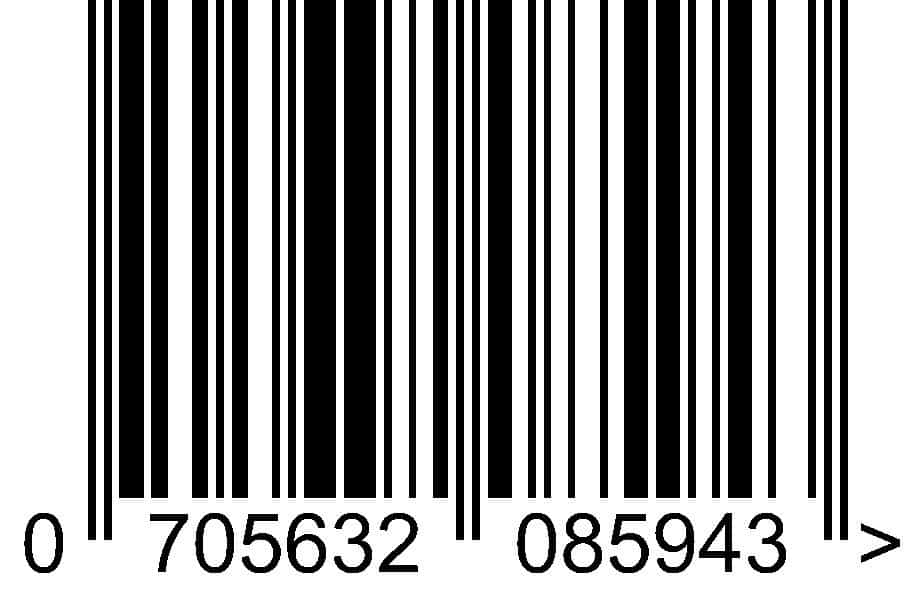 The 13-digit European Article Number (EAN-13) is the most commonly used retail barcode worldwide. A retail barcode is a string of numbers that has never been used on a product in a shop. Barcodes allow product information like price, stock and description to be quickly recalled in stores without the risk of two different products having the same number. Most shops require products to have high-quality barcodes printed or attached to all incoming goods. Modern checkouts rely on barcodes to serve customers as quickly as possible.
What are EAN-13 barcodes for?
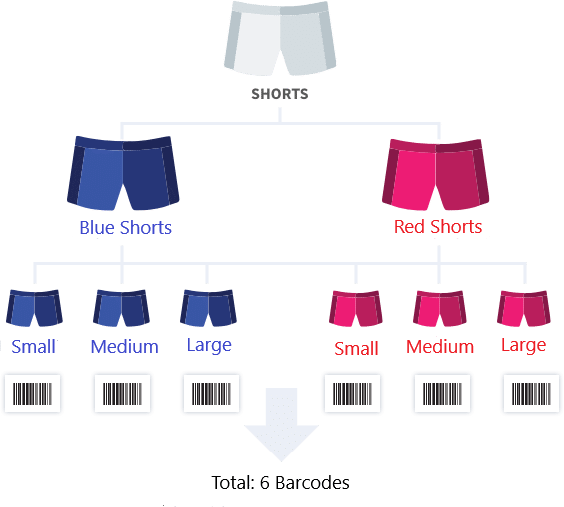
EAN-13s are product identifiers. Having product information available by simply scanning a barcode is invaluable to retailers. Not only do retailers use them for selling goods at the checkout, but also for tracking and reordering stock. Every unique product needs its own barcode. For example, mint-flavoured and strawberry-flavoured gum made by the same company would require two barcodes. One number is assigned to strawberry and the other number to mint. The same barcode is printed on the same flavour forever. This allows shops to set different prices for variations and to keep track of stock to ensure they don’t run out of one type. Here is another example using clothing variations in colour and size.
How are EAN-13 barcodes unique?
The system of retail barcodes as product identifiers is only effective if numbers are regulated to ensure that the same number is not used more than once. If anyone could make up their own number, there would be chaos when two different products use the same code. This is done by carefully controlling the issuance of barcodes so that each number is assigned only once. There are two ways to get an official and genuine barcode. The first is through membership in an organisation called GS1. GS1 tends to rent large blocks of numbers out for a membership fee and then additional yearly fees. The second way is to buy barcode numbers in your desired quantity from a legitimate barcode reseller such as us. Our barcode numbers are of GS1 origin and can be sold individually.
When did barcoding start?
The first retail barcodes were developed by the Uniform Code Council (UCC) in the USA during the early 1970s. In 1974, in Ohio, the first barcode was used on a pack of chewing gum. Since then, barcodes have become the worldwide standard for identifying retail products due to their simplicity, clarity and efficiency.

Other types of retail barcode
While EAN-13 barcodes are the most commonly used codes globally, there are other variants which serve slightly different purposes or are popular in some parts of the world. Some other types of barcodes are:
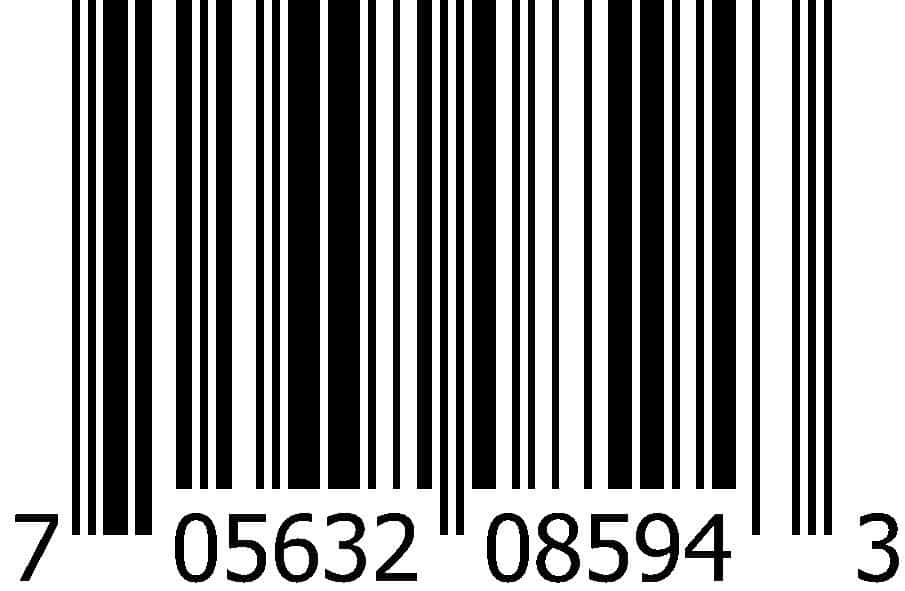
UPC-A: This 12-digit barcode is the most commonly used retail code in North America. It serves the exact same purpose as an EAN-13, but it is 12 digits instead of 13. World Barcodes can provide UPC-A barcodes too. The vast majority of shops worldwide accept both EAN-13 and UPC-A barcodes.
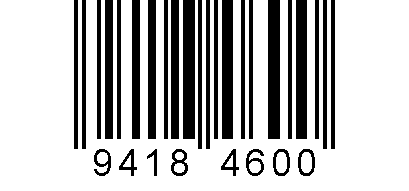
EAN-8: This 8-digit barcode is used for very small products which cannot fit a standard retail barcode. The only way to obtain these is by renting them from GS1.
 ITF-14: Also known as a TUN or carton barcode, these 14-digit codes are used in inward goods to process shipments from suppliers. ITF-14 barcodes are not for product sales, just inventory.
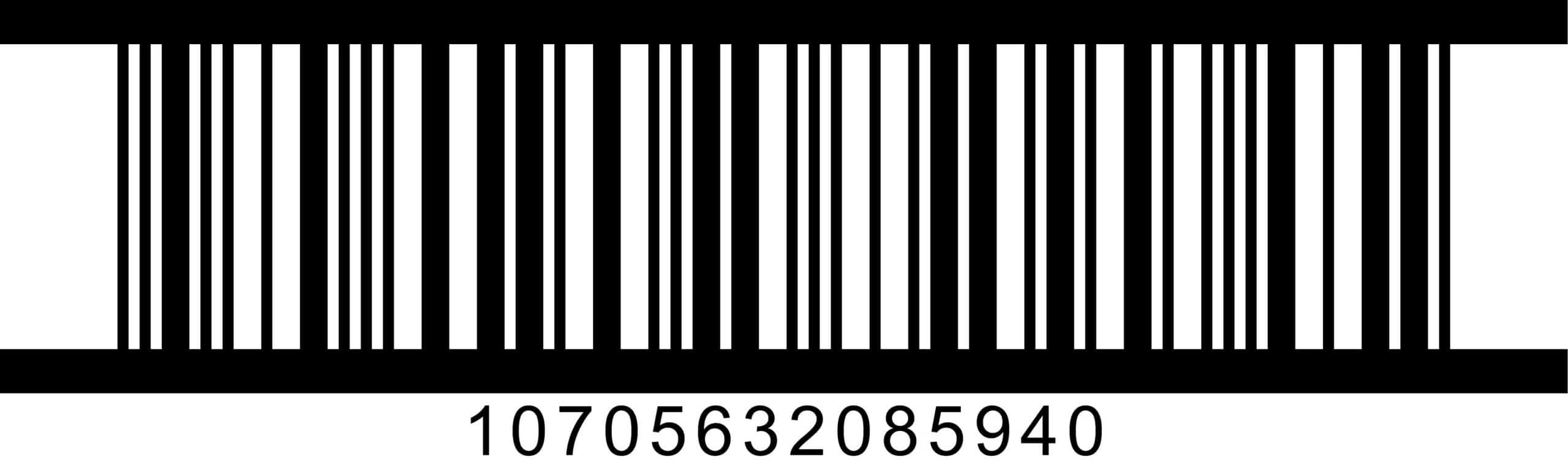 QR Code: While some shops are experimenting with using QR codes for over-the-counter purchases, most QR codes in a retail setting are used by the manufacturer to link to some sort of content that will provide value to consumers- a website, instruction manual, video, or any other online resource.
Differences between UPC and EAN13
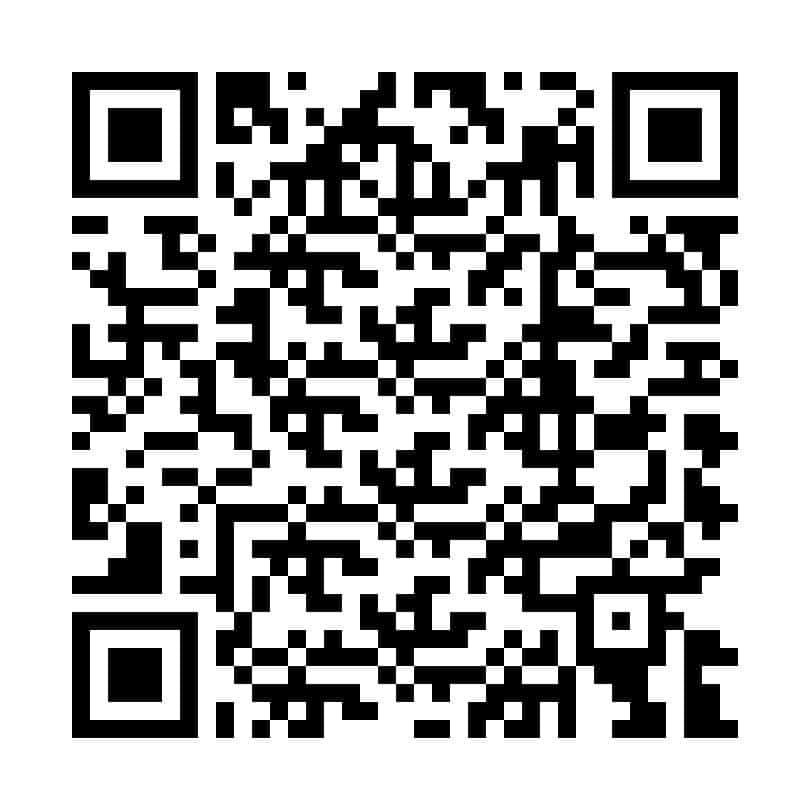
 While UPC and EAN codes are very similar in appearance and function, it is important to understand the difference between the two when deciding which format is best suited for your purposes. Both UPC and EANs are retail barcodes. The image to the left displays a comparison of these two barcode formats. The most immediately obvious difference is that the UPC code is 12 digits, whereas the EAN13 is 13. We can supply in either format by adding or removing the leading 0, which is the 13th digit. In either format, the actual bars of the barcodes are identical, which means if a scanner is capable of reading an EAN code, it can usually also scan a UPC.
Another notable difference between the UPC-A and EAN13 codes is that the former is most commonly used in North America, while the rest of the world favours the EAN-13 format. We advise our clients that they choose the barcode type most common to the region they are conducting the majority of their business, but most shops can process either format.
Symbology of the EAN code
The 13-digit EAN code is made up of a 12-digit string plus a check digit at the end. The 12 digits are a unique series that has never been assigned to a retail product before, and the last digit corrects for errors in scanning or data entry. There is a 5-step process used to calculate the check digit based on the previous 12 digits:
1: Start from the end of the barcode number and add up every alternate digit. Do not include the check digit if it is already present. For example, if our barcode number is 0712345678911, we will remove the 1 at the end (because it is the check digit), and then add up every second number starting on the right side. So we will get 1+8+6+4+2+7 = 28
2: Multiply the result from the previous step by 3. 28 x 3 = 84
3: Add up all the remaining digits (excluding the check digit again if present), so in our example, this will be 0+1+3+5+7+9 = 25
4: Add the result from step 3 to the result from step 4. 84+25 = 109
5: The check digit is the smallest number which can be added to the result of step 4 to create a multiple of 10. So in our case, we can add 1 to 109 to make 110, a multiple of 10. This makes 1 our check digit.

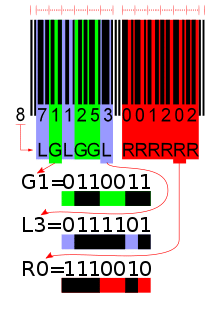
The black bars of the barcode encodes the numbers represented underneath in a format that can be read by a digital scanner. Each number is represented by two black bars and two empty white spaces. The width of the bars and spaces is what differentiates the digits when the barcode is scanned. There are three different encoding schemes (different bar combinations for each digit 0-9), known as L, G and R. All EAN barcodes begin with an L-encoded digit and end with an R-encoded digit, which means that scanners can determine the beginning and end of a barcode and thus scan it upside down without issues.
Advantages of EAN-13 barcodes
EAN13 barcodes bring a host of advantages to manufacturers, suppliers, retailers and customers, including:
- Shortening checkout wait times for customers by efficiently accessing product details like the price
- Reducing human error through the use of scanners instead of manual number entry
- Stocktaking with a single scan instead of counting individual products
- Easy processing of inward goods with an integrated and developed barcoding system
- Tracking of goods throughout the supply chain
- Access to larger retail shops that require barcodes for all stocked products
- Operational simplicity reduces employee training required